What HubSpot UNBOUND Taught Us About Trust in the Age of AI
%20Aspiron%20Search%2030-09-250062Web_Sized_2048px.jpg)
What HubSpot UNBOUND Taught Us About Trust in the Age of AI
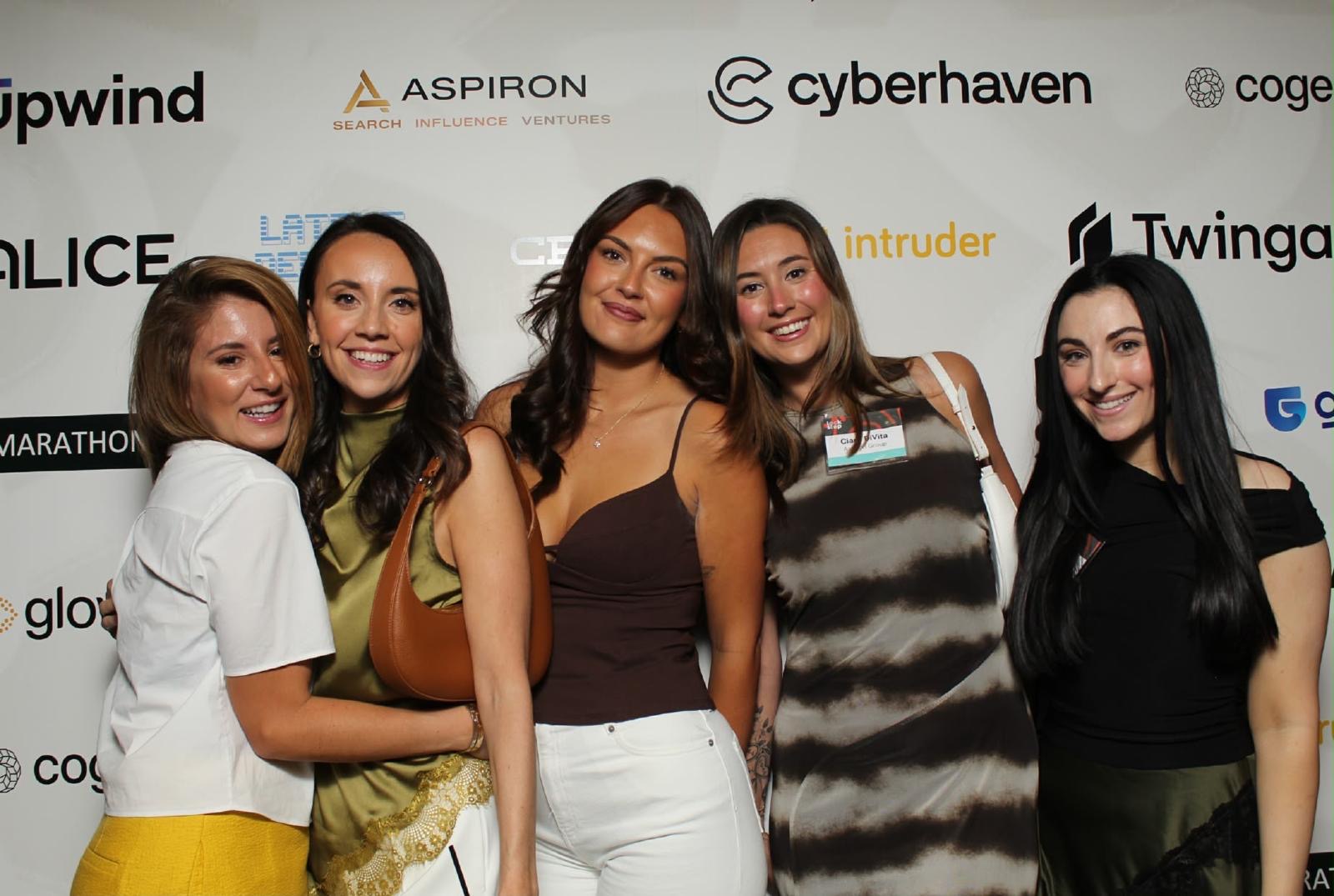
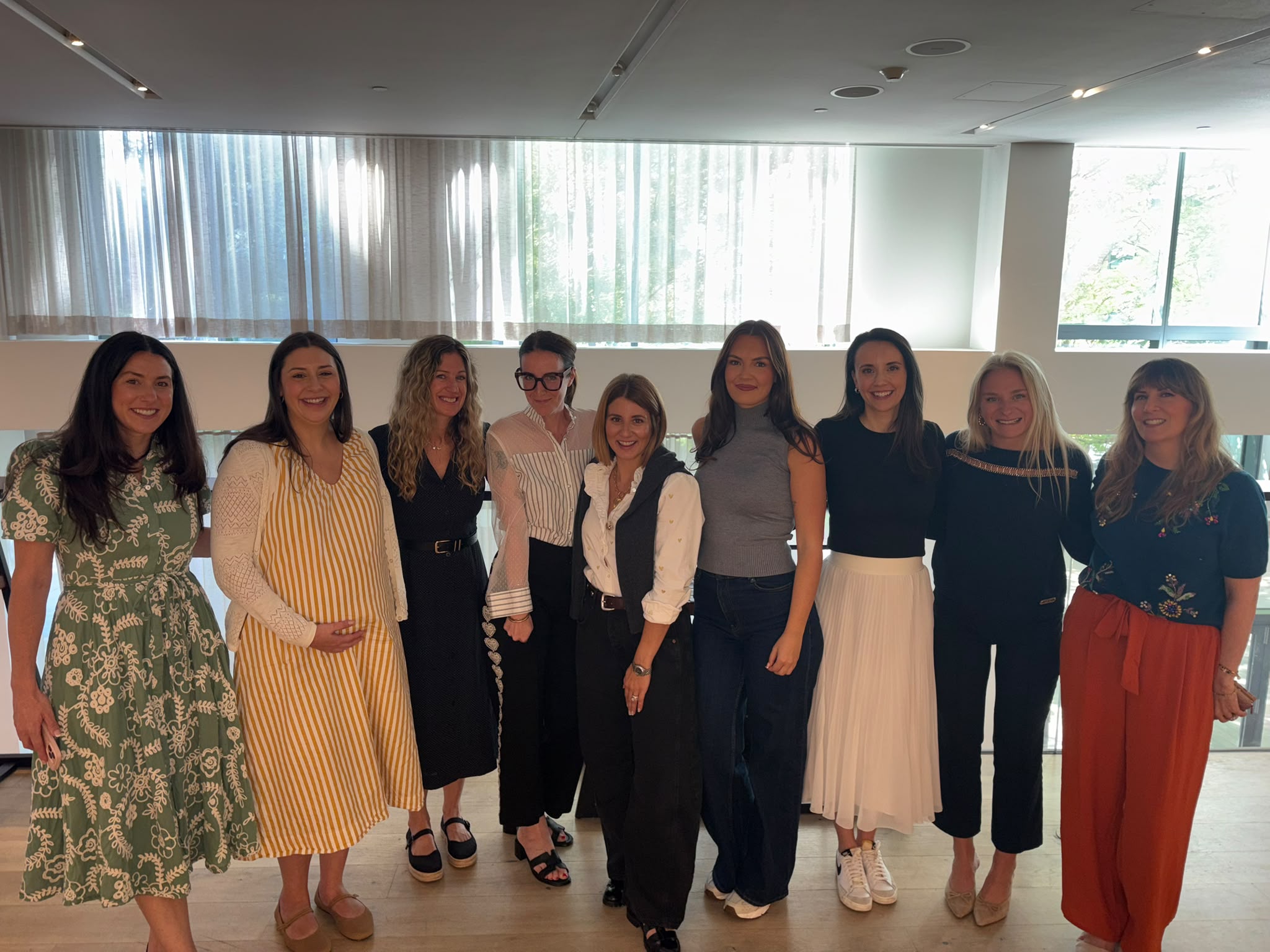
We spent three days in Boston at HubSpot UNBOUND, getting into as many sessions as we could and hearing from some of the biggest voices in marketing. Across the three days, the agenda spanned everything from AI search and personal branding to changing buyer behavior, content strategy, community building, and enterprise growth. On paper, those topics couldn’t have been more varied. But one theme came up again and again in almost every session we attended.
It was trust. Who buyers believe, why they believe them, and how that’s shifting now that AI sits between a lot of companies and their customers. For cybersecurity companies navigating longer buying cycles, crowded markets, and increasingly skeptical buyers, that felt especially relevant.
If you couldn’t make it to UNBOUND this year, or simply couldn’t get to every session, this one’s for you.
Trust Has Become the New Competitive Advantage
Competitive advantage feels like a tagline people throw around left, right, and center. But it’s becoming more and more obvious that trust really does give you one.
Marcus Sheridan came at it from the buyer’s side. People now expect buying anything to feel as easy as Amazon or ChatGPT, and when it doesn’t, they lose confidence fast. Remove the friction and the uncertainty, and trust tends to follow.
Maha Abouelenein had a line we’ve repeated ever since: “Content gets consumed, but trust gets remembered.” Most brands don’t have a content problem. They have a believability problem.
Then Charlie Terenzio brought AI search into it, and this was the session that got us scribbling. He explained that AI tools now “treat journalists’ sentences about you as evidence, and your ads about you as noise.” People aren’t the only ones deciding who to trust anymore. AI tools are doing it too, and they weigh what others say about you far more heavily than what you say about yourself.
For cybersecurity vendors, this matters. Buyers often can’t test a product properly before they commit, so they’re buying the people and the reputation behind it.
People Are Outperforming Logos
It’s human nature and, as Abouelenein put it bluntly, “people trust people, not logos.” LinkedIn’s B2B Institute had the numbers to back it up. Posts from employees get roughly twice the engagement of company page posts, and a team’s combined networks are usually 5 to 10 times bigger than the company’s follower count.
What surprised us was that AI search seems to reward the same thing. Terenzio said these systems can increasingly tell the difference between “a person with a name and a posting history and a logo with a stick figure.” When human buyers, LinkedIn’s algorithm, and AI search all point the same way, we pay attention.
That matters beyond LinkedIn. A company blog can make the case for the business, but it’s still the company telling its own story. When a reporter interviews its leaders and writes about it, buyers get an account the company didn’t write. Terenzio shared a striking stat: 27% of the links cited by AI tools came from journalistic sources. That coverage may shape what buyers see and think before they ever reach the company’s website.
Cyber is packed with founders, researchers, and practitioners who know their stuff. Most of them aren’t posting or talking to the media. That’s a big, mostly untapped opportunity.
The Buying Journey Is Moving Beyond the Website
We’ve all built funnels on the assumption that the journey starts when someone lands on the site. Terenzio made a strong case that it often doesn’t anymore: “Ads earn attention, SEO earns the click, AI’s citations earn the answer itself.” By the time a buyer visits, they’ve often compared options, looked at pricing, and formed a view, all inside an AI answer you never saw.
Ty Heath from LinkedIn added a stat that made the room go quiet: “40% of B2B deals don’t go to a competitor. They go nowhere.” A lot of the time, you’re losing to the buyer not feeling confident enough to push the deal through internally, with no rival in sight.
That also gives earned coverage a job beyond awareness. The person who likes your product may still need to persuade security, IT, finance, and procurement to move forward. A news story that examines the problem, or a customer willing to discuss their experience publicly, gives that person evidence they can share while those conversations happen out of sight.
So the funnel is still there. You just can’t see most of it. The first impression might be an AI summary, a founder’s LinkedIn post, a recommendation from a peer, a news article, or a chat at an event, and your job is to show up well in all of those places before anyone fills in a form.
Being Specific Works Better Than Being Polished
This was our favorite thread of the week. Sheridan shared research showing that being upfront about your limitations builds trust, and his advice was: “Be so clear about what you’re NOT, so people know what you ARE.” When every vendor claims to be the best, the one willing to say “we’re not right for you if…” tends to be the one people believe.
Sarah Whittle made a similar point about content. Jumping on a trend and slapping your logo on it doesn’t cut it. Add something to the conversation or leave it alone. And LinkedIn’s data showed rougher, more human content regularly beating the glossy corporate stuff.
It was a relief to hear. The most useful content usually wins, and it’s rarely the shiniest.
In PR, the detail a company is nervous about including can often be the most useful part of the pitch. “We found this failure under these conditions, and here’s what we haven’t tested” tells a reporter far more than “a major new threat is emerging.” The same goes for being clear about who a product isn’t built for. Those boundaries help the reporter tell an accurate story and help buyers work out whether it applies to them.
Relationships Are Becoming More Valuable
You’d think automation would make relationships matter less. It’s easier than ever to send an AI-generated message, follow up with a prospect, or fire off an email that took seconds to write.
Most speakers argued the opposite: when anyone can churn out content and outreach at scale, people start ignoring it.
Shana Sumers had the best line on this: “Networking is an activity. Relationship capital is an asset.” She shared data suggesting warm introductions are around 10 times more effective than cold outreach, and Heath said peer recommendations “beat price. Every time.”
That relationship capital also shows up in a reporter’s inbox. They remember who understands their beat and helps them find useful context or a source. Those exchanges won’t all lead to coverage, but they change how a reporter receives your next pitch. You’re picking up a conversation with someone who knows you’ve been useful before.
You can automate sending messages. You can’t automate someone vouching for you.
What This Means for Cyber
Cybersecurity companies already have what this shift rewards: real expertise, proprietary threat intelligence, unique data, and people with years of hands-on experience. Most of it isn’t visible yet.
We see this with our own clients at Aspiron Influence.
For founders, that means getting out there under your own name. For marketers, it means publishing proof, such as original data, case studies, and expert commentary, rather than more content for the sake of it. For hiring leaders, a credible, visible team is now a commercial asset. And for investors, trust increasingly shapes which companies buyers find, consider, and choose.
Search will keep changing and platforms will come and go. Underneath all of it, people still buy from people they trust. Three days in Boston made that hard to ignore.
.png)